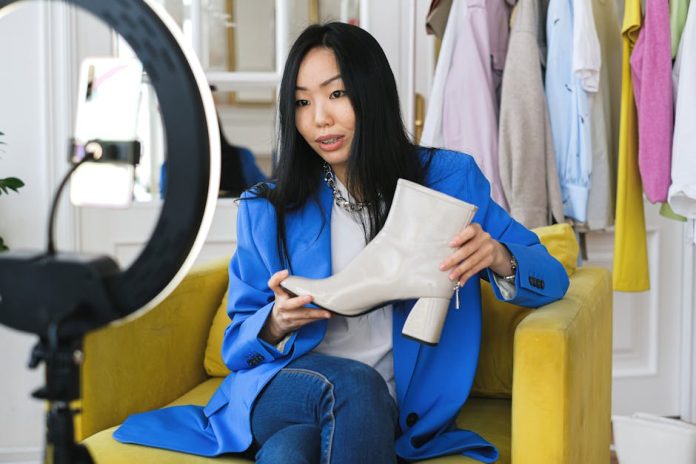

The fashion industry has undergone a dramatic transformation over the past decade, largely driven by the rise of fashion bloggers and digital influencers. Once dominated by luxury houses, magazines, and runway shows, the industry now finds itself increasingly shaped by individuals who built their audiences online. These bloggers have not only redefined how trends emerge but have also claimed a significant portion of the industry’s earnings. For more insights into digital trends and online business strategies, visit https://borsadex.com/.
The Shift from Traditional Gatekeepers to Digital Voices
For decades, fashion was controlled by a select group of gatekeepers—editors, designers, and major fashion houses. Magazines dictated trends, and consumers followed.
The rise of social media platforms such as Instagram, YouTube, and TikTok changed this dynamic entirely. Fashion bloggers began sharing personal style, outfit inspiration, and product reviews directly with audiences, bypassing traditional media channels.
This shift democratized fashion, allowing new voices to influence trends and purchasing decisions in real time.
Monetization and the Rise of Influencer Economy
Fashion bloggers quickly evolved from content creators into powerful business entities. What started as personal blogs turned into full-scale digital brands with multiple revenue streams.
Sponsored Content and Brand Partnerships
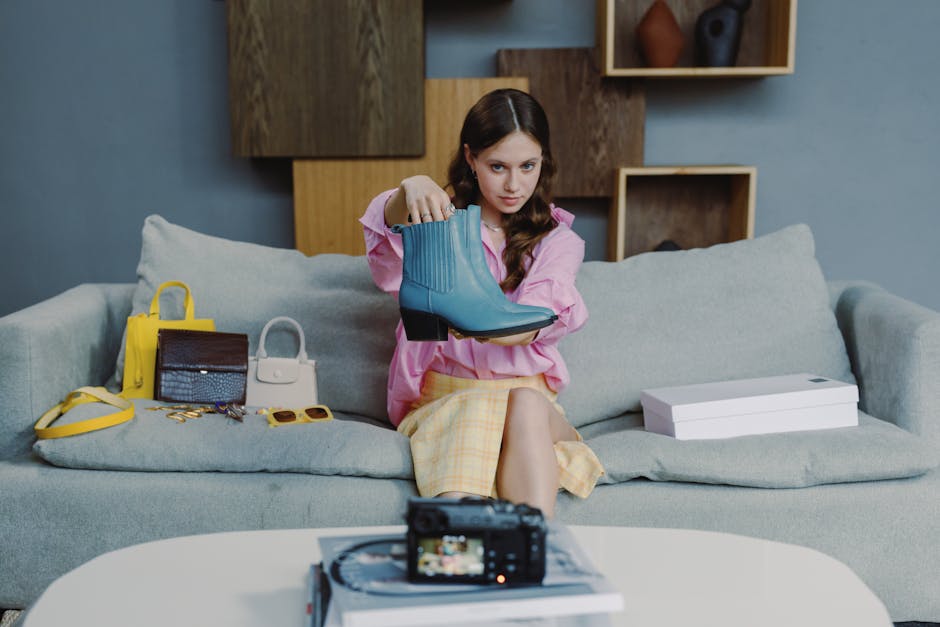
One of the primary income sources for fashion bloggers is sponsored content. Brands collaborate with influencers to promote products through posts, videos, and stories.
These partnerships often command significant fees, especially for bloggers with large and engaged followings. In many cases, influencers generate higher engagement rates than traditional advertising campaigns.
Affiliate Marketing and Direct Sales
Affiliate marketing has also become a major revenue stream. Bloggers earn commissions by promoting products through trackable links.
Some influencers have taken it further by launching their own fashion lines, turning personal branding into direct business ownership.
Redefining Consumer Trust and Buying Behavior
Fashion bloggers have fundamentally changed how consumers discover and trust products.
Authenticity Over Advertising
Unlike traditional advertisements, influencer content often feels more personal and relatable. Followers view bloggers as peers rather than corporations, making their recommendations more impactful.
This perceived authenticity has led to higher conversion rates, as audiences are more likely to trust and act on influencer suggestions.
Real-Time Trend Cycles
Trends that once took months to develop can now emerge overnight. A single viral post can spark global demand for a specific style or product.
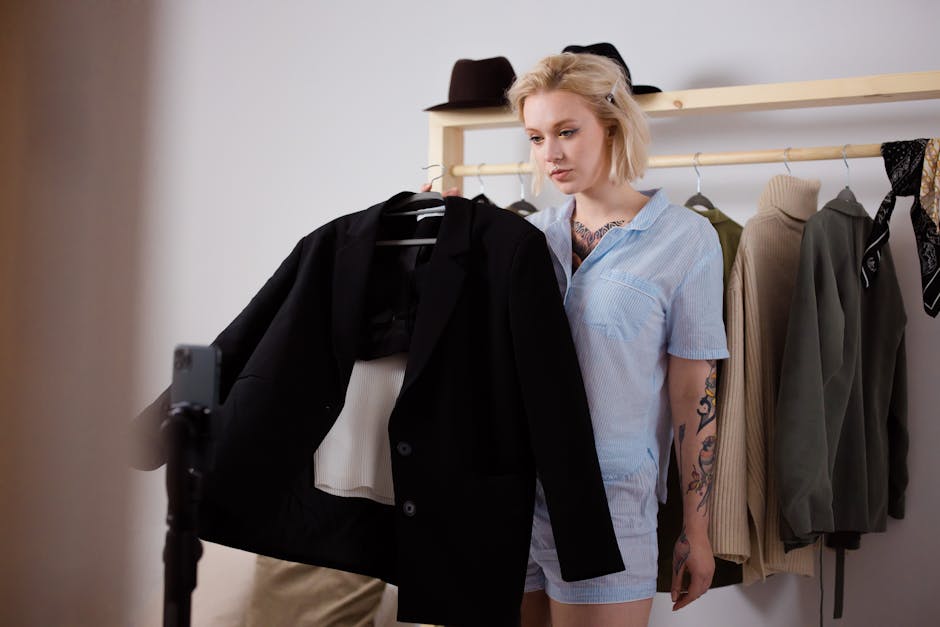
This acceleration has forced brands to adapt quickly, reshaping supply chains and marketing strategies.
Impact on Traditional Fashion Institutions
The influence of fashion bloggers has disrupted long-standing industry structures.
Decline of Print Media Influence
Fashion magazines, once the ultimate authority on style, have seen a decline in influence. While they still play a role, their ability to dictate trends has diminished significantly.
Digital creators now often break trends before they appear in traditional publications.
Changing Role of Fashion Weeks
Fashion weeks remain important, but their exclusivity has been challenged. Bloggers and influencers now sit in front rows, collaborate with designers, and share content instantly with global audiences.
This has shifted the focus from industry insiders to public engagement.
The Business Power of Personal Branding
Fashion bloggers have proven that personal branding can rival established companies.
Building Loyal Communities
Successful bloggers cultivate strong relationships with their audiences. Engagement goes beyond likes and follows—it includes conversations, feedback, and shared values.
This loyalty translates into significant purchasing power.
Expanding Beyond Fashion
Many fashion bloggers diversify into lifestyle, beauty, travel, and entrepreneurship. This expansion increases their reach and opens additional revenue streams.
Some have even transitioned into full-scale entrepreneurs, launching brands that compete with traditional fashion companies.
Challenges and Criticism
Despite their success, fashion bloggers face criticism and challenges within the industry.
Oversaturation of the Market
As more influencers enter the space, competition has intensified. Standing out requires consistent creativity, authenticity, and strategic positioning.
Questions of Authenticity
Paid partnerships can sometimes blur the line between genuine recommendations and advertising. Audiences are becoming more aware, pushing influencers to maintain transparency.
Dependence on Algorithms
Social media platforms control visibility through algorithms, making influencers vulnerable to sudden changes that can impact reach and income.
The Future of Fashion Influence
The role of fashion bloggers is expected to continue evolving as technology and consumer behavior change.
Rise of Micro-Influencers
Brands are increasingly collaborating with micro-influencers who have smaller but highly engaged audiences. These creators often deliver more targeted and authentic engagement.
Integration of E-commerce
Social media platforms are integrating shopping features, allowing users to purchase products directly through posts. This further strengthens the connection between content and commerce.
Virtual and AI Influencers
The emergence of virtual influencers and AI-generated content introduces a new dimension to the industry. While still developing, these innovations could reshape the concept of influence itself.
Conclusion
Fashion bloggers have fundamentally reshaped the industry, shifting power away from traditional institutions and toward digital creators. By building personal brands, engaging directly with audiences, and leveraging new monetization strategies, they have captured a significant share of the market’s revenue.
As the industry continues to evolve, the influence of bloggers and digital creators will likely grow even stronger, redefining not only how fashion is marketed but also how it is consumed worldwide.
Related reading: Breakthrough Holographic Computer Brings Touch to Mid-Air Interaction | The Next “Babe” Photo Trend Set to Deliver Astonishing Impact for Marketing Campaigns